Compare Local Contractors for Residential Trim Installation Success
Compare local contractors to define project scope, verify experience, and set clear expectations for residential trim installation.
Residential trim installation encompasses a range of finishing details that enhance the appearance and functionality of interior and exterior spaces. This work typically includes installing or replacing baseboards, crown molding, door and window casings, wainscoting, and other decorative or protective trim elements. Proper installation not only improves the aesthetic appeal of a property but also helps protect walls and structural features from damage over time. When planning a trim project, property owners should clearly define the scope of work, specifying the types of trim desired, the areas to be addressed, and any specific design preferences, to ensure the project aligns with their expectations.
Understanding the importance of scope is essential when working with contractors for residential trim installation. A well-defined scope helps prevent misunderstandings and ensures that all parties are aligned on the work to be performed. Property owners should communicate details such as the materials to be used, the style and profile of trim, and any finishing requirements. This clarity allows for more accurate comparisons between service providers and helps identify those with relevant experience in similar projects. Having these details in writing can also serve as a reference throughout the work, supporting a smoother process and reducing the potential for disputes.
Comparing local contractors involves evaluating their experience, reputation, and approach to similar projects. Property owners can start by reviewing portfolios or references to assess the quality of past work. It’s also helpful to verify how each contractor plans to handle the scope of work, including their methods for installation and finishing. Asking questions about their familiarity with different trim styles or materials can reveal their expertise and compatibility with the project’s needs. By gathering detailed information and clarifying expectations upfront, property owners can make informed decisions when selecting a contractor capable of delivering the desired results for residential trim installation.
Compare local contractors by outlining project priorities, verifying experience, and clearly defining scope and expectations.
- Compare Contractor Experience - Review the background and past work of local contractors to assess their expertise in residential trim installation.
- Define Project Scope Clearly - Outline specific details of the trim work to ensure all parties understand the expectations.
- Verify Credentials and References - Check references and verify previous projects to gauge the reliability of local service providers.
- Document Agreements in Writing - Ensure all project details, scope, and expectations are documented to prevent misunderstandings.

Clearly describe your residential trim installation project to help compare local contractors, define scope, verify experience, and set expectations in writing.
- Verify experience and references for residential trim installation projects. - Ensure service providers have a proven track record with similar interior finish work.
- Define the scope of work clearly in writing before starting the project. - Clarify the types of trim, materials, and areas to be finished to avoid misunderstandings.
- Compare multiple local contractors to assess their expertise and professionalism. - Look for providers with detailed descriptions of their services and transparent communication.
- Check that the contractor provides a detailed written estimate outlining the scope and materials. - A comprehensive scope helps set expectations and avoids surprises during the project.
- Confirm that the service provider adheres to industry standards for quality and craftsmanship. - Look for hints of professionalism in their communication and project approach.
- Ensure all project details, including scope, materials, and expectations, are documented in a contract. - Written agreements help protect both parties and provide clarity throughout the project.
Compare local contractors’ experience and clarify project scope to ensure smooth residential trim installation.

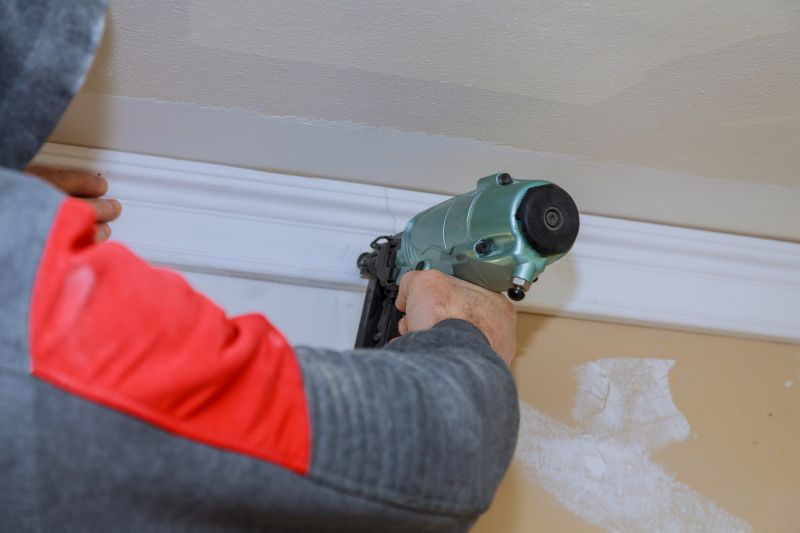

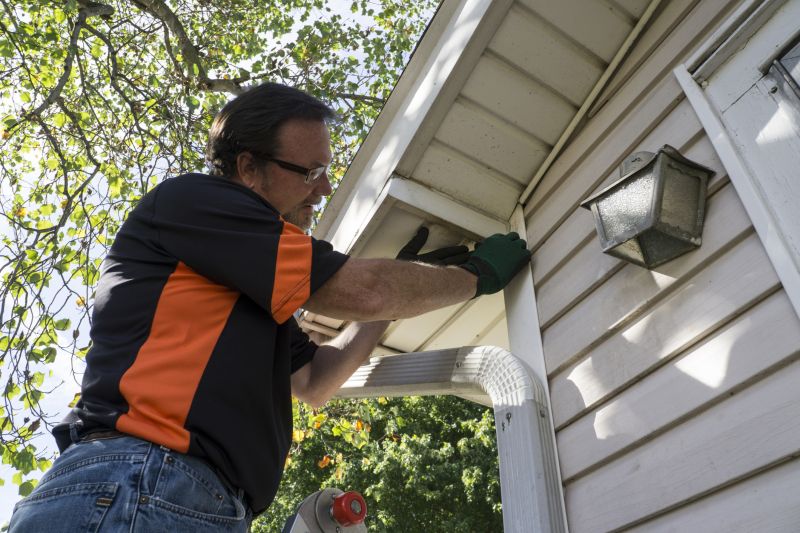
A clear scope and consistent comparison criteria help ensure you evaluate residential trim installation contractors accurately.
- Scope Definition - Clearly outline the specific types of trim and areas to be covered in the installation project.
- Material Selection - Specify the types and styles of trim materials preferred for the residential space.
- Experience Verification - Confirm that the local contractors have relevant experience with residential trim installation.
- Work Specifications - Document detailed descriptions of the work to be performed, including measurements and finish requirements.
- Written Agreement - Ensure all scope details, expectations, and responsibilities are documented in a formal agreement.
When comparing contractors for residential trim installation, it’s important to evaluate their experience with similar projects. Service providers who have a history of working on homes with comparable styles and scope are more likely to understand the specific requirements and challenges involved. Asking about the types of trim projects they have completed can provide insight into their familiarity with different materials, techniques, and design preferences. This helps ensure that the contractor’s background aligns with the homeowner’s expectations for quality and craftsmanship.
A clear, written scope of work is essential to set proper expectations and avoid misunderstandings. When reviewing contractor proposals or estimates, look for detailed descriptions of the work to be performed, including the types of trim, the areas to be addressed, and any specific finishes or styles. A well-defined scope not only helps clarify what is included but also provides a basis for comparing different service providers’ approaches. Homeowners should seek contractors who can articulate their plan in writing, ensuring all parties have a shared understanding of the project’s parameters.
Verifying the basics of a contractor’s background involves confirming their experience, reputation, and reliability. It’s advisable to ask for references or examples of completed projects similar to the scope at hand. Additionally, checking for consistency in their work history and seeking feedback from previous clients can provide valuable perspectives. While this site does not perform direct verification, it encourages homeowners to gather comprehensive information to assess whether a contractor’s experience aligns with the project’s needs. This process helps identify service providers who have a proven track record of delivering quality results.
Evaluating options without focusing on prices involves examining how each contractor communicates and the quality of their proposals. Consider how thoroughly they define the scope, whether they provide clear timelines or project milestones, and if they demonstrate a solid understanding of the work involved. Comparing the professionalism and detail in their communication can reveal how well they are prepared to handle the project. By focusing on these aspects, homeowners can select local contractors who are capable of meeting the project’s requirements and can deliver a professional result.
Ask contractors to provide written scope details to ensure clear expectations and consistent project understanding.
- Experience and Expertise - What specific experience do the contractors have with residential trim installation projects?
- Scope of Work - How do contractors define and clarify the scope of the trim installation to ensure all expectations are aligned?
- Material and Finish Options - What materials and finishes do the contractors recommend, and how do they ensure compatibility with the home's style?
- Project Details in Writing - Do the contractors provide a detailed written scope of work that outlines responsibilities and deliverables?
- Comparison of Services - How do the service providers differ in their approach to scope, craftsmanship, and project management?
How can I compare contractors for residential trim installation? Comparing local contractors involves reviewing their experience, checking references, and assessing their reputation through online reviews. It’s important to evaluate the scope of services they offer and ensure they understand your project needs.
What should I consider when defining the scope of my trim installation project? Clearly outlining the types of trim, areas to be worked on, and desired finishes helps ensure contractors understand your expectations. Providing detailed descriptions can lead to more accurate proposals and smoother work processes.
How can I verify a contractor’s experience with residential trim installation? Ask contractors about their previous projects, request examples or references, and inquire about the types of trim they have installed. Experience with similar projects can indicate their familiarity with the work required.
Why is it important to get a written agreement before work begins? A written agreement helps define the scope of work, materials, and responsibilities, reducing misunderstandings. It provides a clear record of expectations for both parties involved in the project.
What questions should I ask contractors during the comparison process? Inquire about their experience, the materials they recommend, their process for handling unexpected issues, and how they manage project timelines. These questions can help gauge their professionalism and compatibility.
How can I ensure my project expectations are clearly communicated? Providing detailed descriptions, asking for written proposals, and confirming all project details in writing help set clear expectations. Open communication with the service provider is key to a successful installation.
This page has provided an overview of how to find and evaluate contractors specializing in residential trim installation. Visitors learned the importance of clearly defining the scope of work, verifying the experience of service providers, and putting all expectations in writing to help ensure a smooth project process. Using the quote form allows for easy comparison of local contractors, making it simpler to identify options that align with specific project needs.
By utilizing the quote form, homeowners can connect with local service providers who are equipped to handle residential trim installation. Comparing multiple options helps clarify the differences between contractors and supports making informed decisions. Taking the time to gather details and ask questions can lead to a more confident choice in selecting a trusted local contractor for the job.